Making a Difference Abroad: How Volunteer Programs Help Build Sustainable Communities
The act of volunteering abroad is about more than just providing temporary aid; it’s about creating lasting, sustainable change that empowers communities and fosters development over time. Volunteer Programs Abroad are designed to not only meet the immediate needs of underserved populations but also to build the local capacity necessary for long-term growth and self-sufficiency. From improving education systems to promoting sustainable agriculture and addressing public health issues, these programs contribute to the creation of resilient, thriving communities that can continue to grow even after the volunteers return home.
One of the key elements of sustainable community development through volunteering is the focus on building local capacity. Volunteers who work alongside local organizations and leaders help strengthen the existing infrastructure and systems within communities. This approach ensures that the benefits of the work continue long after the volunteer program has ended. For example, rather than simply providing short-term relief, volunteers might help train local teachers, healthcare workers, or farmers, enabling them to carry out their important work independently and effectively. This empowerment is the foundation for sustainable change that lasts for generations.
In education, volunteering abroad can make a transformative difference in communities where resources are scarce. By teaching children or adults essential skills, volunteers provide them with the tools they need to improve their lives and break free from the cycle of poverty. Volunteer educators often help with teaching English, mathematics, and life skills in areas where schools are underfunded or lacking qualified teachers. The impact of this educational support extends beyond the classroom, contributing to the overall development of the community by helping individuals become more economically self-sufficient and better equipped to contribute to their society.
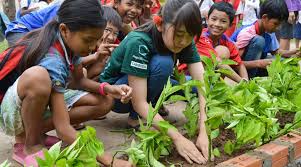
Volunteers also play an important role in promoting sustainable agricultural practices. In many developing regions, agriculture is the backbone of local economies, but traditional farming methods can often lead to soil degradation, deforestation, and reduced crop yields. Volunteers in agricultural programs work with local farmers to introduce sustainable farming techniques, such as crop rotation, water conservation, and organic farming, that increase productivity and protect the environment. By helping farmers adopt these methods, volunteers not only increase food security but also help preserve the land for future generations.
Healthcare is another area where volunteer programs abroad can have a significant and lasting impact on communities. Many countries face significant challenges related to public health, including limited access to healthcare services, high rates of preventable diseases, and inadequate healthcare infrastructure. Volunteers in healthcare programs often help by providing medical care, promoting sanitation, and educating local populations about disease prevention. This kind of work directly addresses immediate health needs while also helping to build stronger health systems by training local healthcare professionals and improving healthcare access.
Community development efforts are also a major focus of volunteer programs abroad. Volunteers help with projects ranging from building infrastructure, such as schools and community centers, to providing microfinance support and training in entrepreneurship. By engaging in these types of projects, volunteers contribute to long-term economic growth and stability. These programs help foster a sense of ownership within local communities, as residents are directly involved in the planning and implementation of development projects. This collaborative approach ensures that the work is relevant, effective, and sustainable.
What sets volunteer programs abroad apart from traditional aid efforts is their focus on creating long-term, sustainable solutions rather than short-term fixes. Volunteers collaborate with local communities to identify their unique needs and develop solutions that are culturally appropriate and economically viable. By working with local leaders, volunteers help ensure that their work aligns with the community’s goals, fostering a sense of pride and ownership that ensures the continued success of the project after the volunteers leave.
In conclusion, volunteering abroad is an essential part of building sustainable communities around the world. Through education, healthcare, agriculture, and community development, volunteer programs abroad provide long-term support that empowers communities to overcome challenges and thrive independently. By contributing to these efforts, volunteers not only help meet immediate needs but also build the foundations for lasting, positive change that will benefit future generations. Volunteering abroad is not just an act of giving; it’s an investment in the future of the global community.